Why Container Loading Optimization Is Your Biggest Hidden Cost Lever
For outdoor furniture importers, ocean freight is rarely the headline cost—it is the silent margin killer hiding in plain sight. A 40HQ container costs roughly $3,000–$5,000 from major Chinese ports to North American or European destinations. The difference between loading 45 resort loungers versus 62 of the same model in that container? That is pure profit—or pure waste.
Container loading optimization is not just about fitting more boxes inside. It is about systematic planning across product design, packaging engineering, and loading sequences. This guide covers the methods we use at GRIT to maximize every cubic meter leaving the factory.
Start With the Container: Know Your Numbers
Before optimizing anything, understand the exact dimensions you are working with:
- 40HQ (most common for furniture): Internal 12,032 × 2,352 × 2,698 mm, approximately 76.3 CBM usable volume
- 40GP: Internal 12,032 × 2,352 × 2,393 mm, approximately 67.7 CBM
- 20GP: Internal 5,898 × 2,352 × 2,393 mm, approximately 33.2 CBM
In practice, you will achieve 85–92% of theoretical volume utilization for furniture, because perfect cubing is nearly impossible with mixed-SKU orders. The goal is to get as close to that ceiling as possible.
Design for Loading: The Flat-Pack Advantage
The single biggest factor in container efficiency is whether your furniture ships assembled or flat-packed. The math is straightforward:
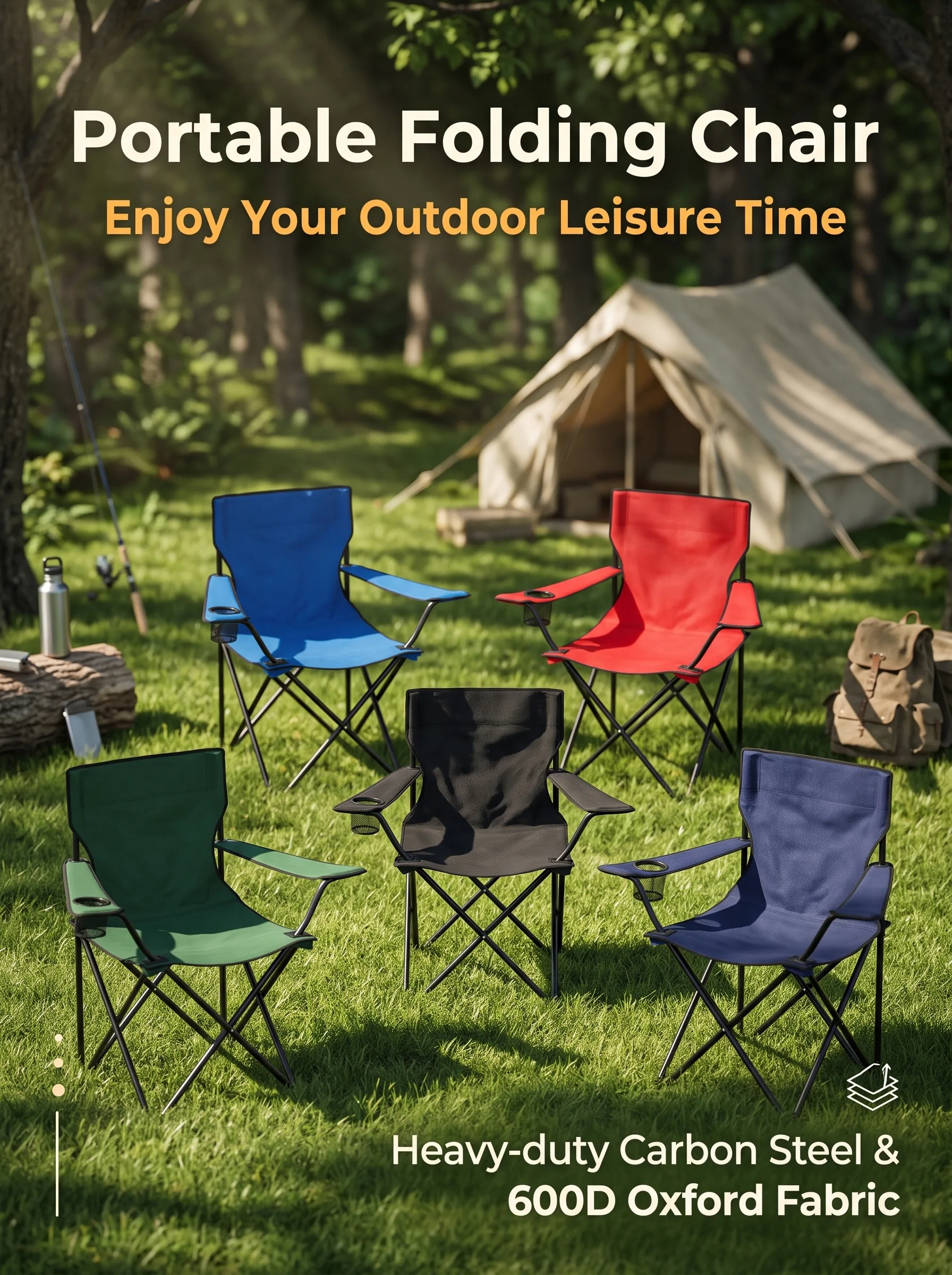
- Assembled camping chair: Approximately 0.04 CBM per unit. A 40HQ holds roughly 400 units.
- Flat-packed camping chair: Approximately 0.015 CBM per unit. The same container holds 1,000+ units.
That is a 2.5× improvement from packaging alone. For resort loungers and patio dining sets, flat-pack design with detachable legs and separate cushion bags can reduce per-unit volume by 40–60%.
GRIT designs its entire outdoor range with flat-pack optimization as a core engineering constraint. Every R-series aluminum frame is engineered to nest efficiently while maintaining structural integrity and ease of assembly at destination.
Carton Engineering: Where Millimeters Become Money
Carton dimensions must be designed around the container cross-section, not the other way around. Here is the methodology:
- Map the container floor. A 40HQ floor is 12,032 × 2,352 mm. Calculate how many carton widths and lengths fit in each orientation.
- Optimize for two orientations. Alternate carton direction rows to fill gaps. A 2,352 mm width might fit 6 cartons at 392 mm but only 5 at 470 mm. Test both.
- Build up in layers. Standardize carton heights so layers stack cleanly to 2,698 mm. A carton height of 340 mm gives 7 layers (2,380 mm) with 318 mm remaining for void fill.
- Account for pallets if used. Standard 1,200 × 800 mm Euro pallets fit 2 across the container width with room to spare, but palletized loading sacrifices floor flexibility.
Mixed-SKU Loading: The Real Challenge
Pure single-SKU containers are easy to optimize. The real skill is loading mixed orders—common for resort and hotel projects that need lounge chairs, dining chairs, tables, and accessories in one shipment.
Strategy 1: Floor-loaded heavy items first. Tables, stacked frame sets, and boxed accessories form a stable base. Build the first layer across the full container floor.
Strategy 2: Fill vertical gaps with flat items. Cushion bags, folded fabric items, and accessory boxes can fill the space between stacked chair layers.
Strategy 3: Use the “chimney” method for tall items. Place tall boxed items (like stacked lounge chair frames) against container walls, creating vertical columns. Fill the center with shorter, stackable items.
Strategy 4: Prioritize by destination sequence. If delivering to multiple locations, load last-delivery items first (deepest in container) and first-delivery items last (near doors).
Loading Software vs Experience: When to Use Each
Container loading software like EasyCargo, Loadplan, or Cape Pack can generate optimized 3D loading plans in minutes. They excel at:
- Single-SKU or limited-SKU calculations
- Weight distribution verification
- Visual loading instructions for warehouse teams
However, software often fails with:
- Irregular shapes that require creative placement
- Carton compression tolerance (how much can you squeeze before product damage?)
- Real-world factory loading conditions (forklift access, door clearance, worker safety)
The most effective approach combines software-generated loading plans with experienced loading supervisors who can adapt on the factory floor.
Weight Distribution: The Often-Ignored Constraint
A 40HQ can carry approximately 26,000–28,000 kg payload. Aluminum outdoor furniture is lightweight—a resort lounger weighs 4–6 kg, a camping chair 2–3 kg. Weight is rarely the limiting factor for outdoor furniture.
However, uneven weight distribution causes container rejection at ports and damage during transit. Ensure:
- Weight is centered laterally (left-right balanced within the container)
- Heavy items are placed over the container axles (roughly 40% from each end)
- Total weight is documented on the packing list and VGM (Verified Gross Mass) declaration
Real Numbers: What Optimization Saves You
Here is a real-world comparison from a recent mixed outdoor furniture order (resort project, 3 SKUs):
- Without optimization (random loading): 2 × 40HQ containers for 680 total units
- With carton redesign (flat-pack + dimension optimization): Same 680 units in 1.5 containers (1 full + 1 partial)
- With full optimization (carton redesign + loading plan + mixed SKU strategy): 680 units in 1 × 40HQ with room for 120 additional units
The savings from 2 containers to 1: approximately $3,500–$5,000 per shipment, plus reduced handling at destination. For a project with quarterly reorders, that is $14,000–$20,000 annually from a single product mix.
GRIT’s Approach to Container Efficiency
Every GRIT product is engineered with container optimization as a design input. Our packaging team develops carton dimensions specifically matched to 40HQ and 40GP container floor plans. We provide customers with detailed loading plans before production begins, so you know exactly how many units fit per container—and what your landed cost per unit will be—before placing your order.
For resort, hotel, and camping project inquiries, request our container loading analysis alongside the product quotation. The data speaks for itself.
Contact GRIT for a container loading assessment on your next outdoor furniture project. We will show you exactly how many units fit and what you save.
