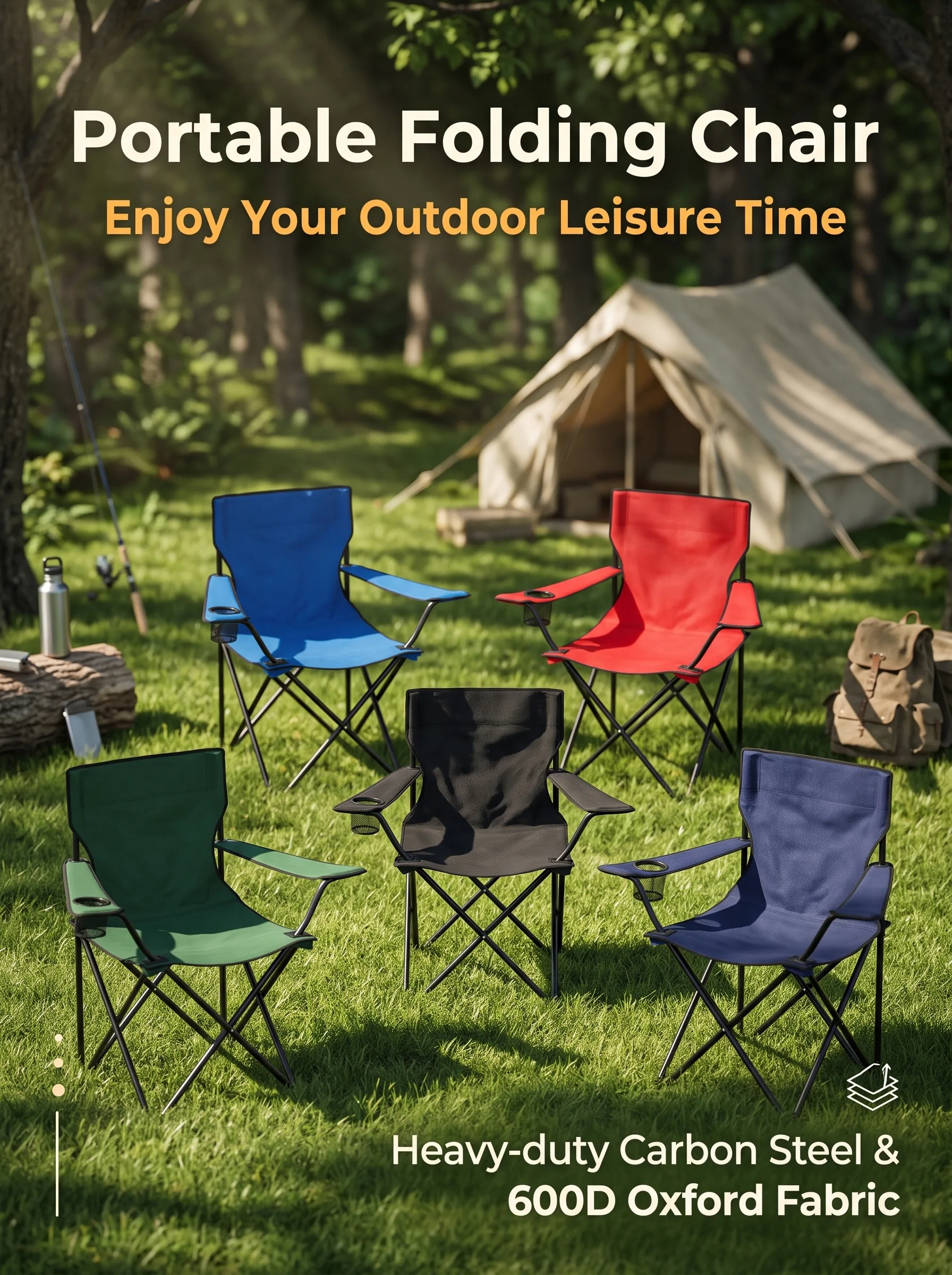
Why Fabric Selection Matters More Than You Think for Outdoor Furniture
When most people shop for outdoor furniture, they focus on frame materials — aluminum, steel, teak, wicker. But the comfort, longevity, and visual appeal of any camping chair, patio sofa, or poolside lounger depends heavily on one component: the fabric.
Outdoor fabrics face brutal conditions. Direct sunlight degrades fibers and fades colors within weeks. Rain, morning dew, and accidental spills create moisture traps that breed mold and mildew. Sand, dust, and pollen embed into weave structures. Temperature swings from summer heat to winter cold cause fibers to expand, contract, and eventually crack.
For importers, retailers, and brand owners in the camping and patio furniture business, understanding waterproof and UV-resistant fabric technologies is not optional — it is essential for product quality, warranty management, and customer satisfaction.
Waterproof vs Water-Resistant: Know the Difference
The fabric industry uses specific terminology that matters:
Water-resistant fabrics repel light moisture for a short period. Water beads up on the surface and rolls off — initially. But under sustained exposure or hydrostatic pressure (someone sitting on a wet cushion), moisture eventually penetrates. Water-resistant fabrics are suitable for occasional splashes and light rain but will not protect cushion internals during a downpour.
Waterproof fabrics provide a complete moisture barrier. They feature either a membrane layer (like PU coating or TPE laminate) or a densely woven construction with sealed seams that prevent water penetration regardless of duration or pressure. True waterproof fabrics carry ratings measured in millimeters of hydrostatic head — typically 1,000mm to 10,000mm+ for outdoor furniture applications.
For camping furniture, where users sit directly on damp ground or pack chairs into wet grass, waterproof fabric on seat surfaces is non-negotiable. For patio cushions, waterproof fabrics on all exposed surfaces (top, sides, and especially seams) prevent the expensive problem of internal foam rot.
UV Resistance: How Fabrics Fight Sun Damage
Ultraviolet radiation is the single most destructive force acting on outdoor textiles. UV photons break chemical bonds in fiber polymers, causing:
- Color fading — dyed fibers lose chromatic intensity, turning vibrant reds to pink and deep blues to chalky gray within a single season
- Fiber embrittlement — the fabric loses tensile strength and tears easily
- Surface chalking — a powdery residue appears as degraded fibers shed from the surface
There are two primary approaches to UV resistance:
Solution-dyed fibers — The color pigment is mixed into the polymer melt before extrusion. The color runs through the entire fiber cross-section, like a carrot. Even if the outer layer degrades, the color remains consistent. Solution-dyed acrylic (the gold standard, exemplified by Sunbrella®) and solution-dyed polyester offer the best fade resistance — typically rated at 1,500+ hours on AATCC Test Method 16 (accelerated weathering), which correlates to 3–5 years of outdoor use without significant fading.
Surface-treated fibers — UV-inhibiting chemicals are applied as a coating or finish to the fabric surface. These treatments are effective initially but degrade with washing, abrasion, and UV exposure itself. Re-treatment may be needed annually. Surface-treated fabrics are more common in budget outdoor furniture but carry shorter warranties and higher long-term maintenance costs.
Leading Fabric Technologies for Outdoor Furniture
Here is what the market currently offers, ranked by performance tier:
Premium Tier — Solution-Dyed Acrylic
The benchmark for outdoor textiles. Exceptional UV resistance (5+ year fade warranty), excellent color vibrancy, breathable, and easy to clean. Naturally water-resistant due to tight weave; can be coated for full waterproofness. Used by premium patio and marine furniture brands. Cost: $15–$35 per yard for furniture-weight fabric.
Mid-Tier — Solution-Dyed Polyester
Stronger than acrylic, slightly less breathable, and marginally less colorfast. Excellent value proposition for high-volume camping furniture programs. Often features PU back-coating for waterproof performance. Cost: $8–$18 per yard.
Value Tier — PVC-Coated Polyester (Mesh)
Excellent waterproofness and UV stability due to the PVC coating encapsulating the polyester scrim. The standard for camping chair seats and backs where breathability is not required. Easy to clean (wipe down). Limited color range compared to woven fabrics. Cost: $5–$12 per yard.
Economy Tier — Printed Polyester with DWR Finish
Decorative prints on standard polyester with a Durable Water Repellent (DWR) surface treatment. Visually attractive but limited outdoor durability. Best for covered patio applications or seasonal camping use. DWR treatment diminishes after 20–30 wash cycles. Cost: $3–$8 per yard.
Testing Standards: What to Ask Your Fabric Supplier
Do not accept vague claims like “waterproof” or “UV resistant” without documentation. Require test reports for the following standards:
- ISO 1420 — Determination of resistance to penetration by water (waterproofness test)
- AATCC 16 — Lightfastness testing using xenon-arc fadeometer (UV resistance measurement)
- ISO 105-B02 — Color fastness to artificial light (alternative to AATCC 16, common in European markets)
- AATCC 22 — Water repellency spray test (surface water resistance)
- ASTM G155 — Accelerated weathering exposure test (comprehensive outdoor durability simulation)
A reputable fabric supplier will provide third-party test certificates for these standards. If they cannot, you are buying on faith — and your customers will bear the cost when products fail.
Practical Maintenance: Extending Fabric Life in the Field
Even the best outdoor fabrics benefit from proper care. Include these care instructions with your products:
- Regular cleaning — Brush off debris weekly. Rinse with clean water monthly. For stains, use mild soap (not detergent) and a soft brush. Rinse thoroughly.
- Avoid harsh chemicals — Bleach degrades acrylic fibers. Solvents dissolve PU coatings. Stick to manufacturer-recommended cleaners.
- Dry before storing — Never pack wet fabric. Even waterproof fabrics can develop mildew on internal cushion foam if stored damp.
- Re-treat DWR finishes — For fabrics relying on surface water repellency, apply a fluorocarbon-free DWR spray annually or after heavy cleaning.
- Cover or store during off-seasons — UV exposure is cumulative. Covering furniture during winter months extends fabric life by 30–50%.
Sourcing Considerations for Importers
When evaluating fabric options for your outdoor furniture program:
Match fabric to product positioning. Premium patio collections justify solution-dyed acrylic pricing. High-volume camping chair programs work best with PVC-coated polyester mesh or solution-dyed polyester with PU backing.
Request fabric swatches AND test reports. Visual and tactile inspection confirms hand-feel and color. Test reports confirm performance claims. Both are necessary.
Consider the total cost of ownership. Cheaper fabrics may save on initial procurement but generate warranty claims, returns, and reputation damage. Calculate cost per year of expected service life, not just cost per yard.
Plan for color consistency across production runs. Solution-dyed fibers maintain batch-to-batch color consistency far better than piece-dyed alternatives. For multi-year programs requiring repeat orders, this consistency matters enormously.
The Bottom Line
Waterproof and UV-resistant fabrics are not luxury upgrades — they are baseline requirements for outdoor furniture that must perform in real-world conditions. Whether you are manufacturing camping chairs for outdoor recreation brands or patio sets for residential markets, fabric selection directly impacts product lifespan, customer satisfaction, and your brand reputation.
Invest in understanding the technologies, demand test documentation from suppliers, and match fabric performance to your product’s expected use conditions. The difference between a one-season product and a five-year product often comes down to a single component: the fabric.
