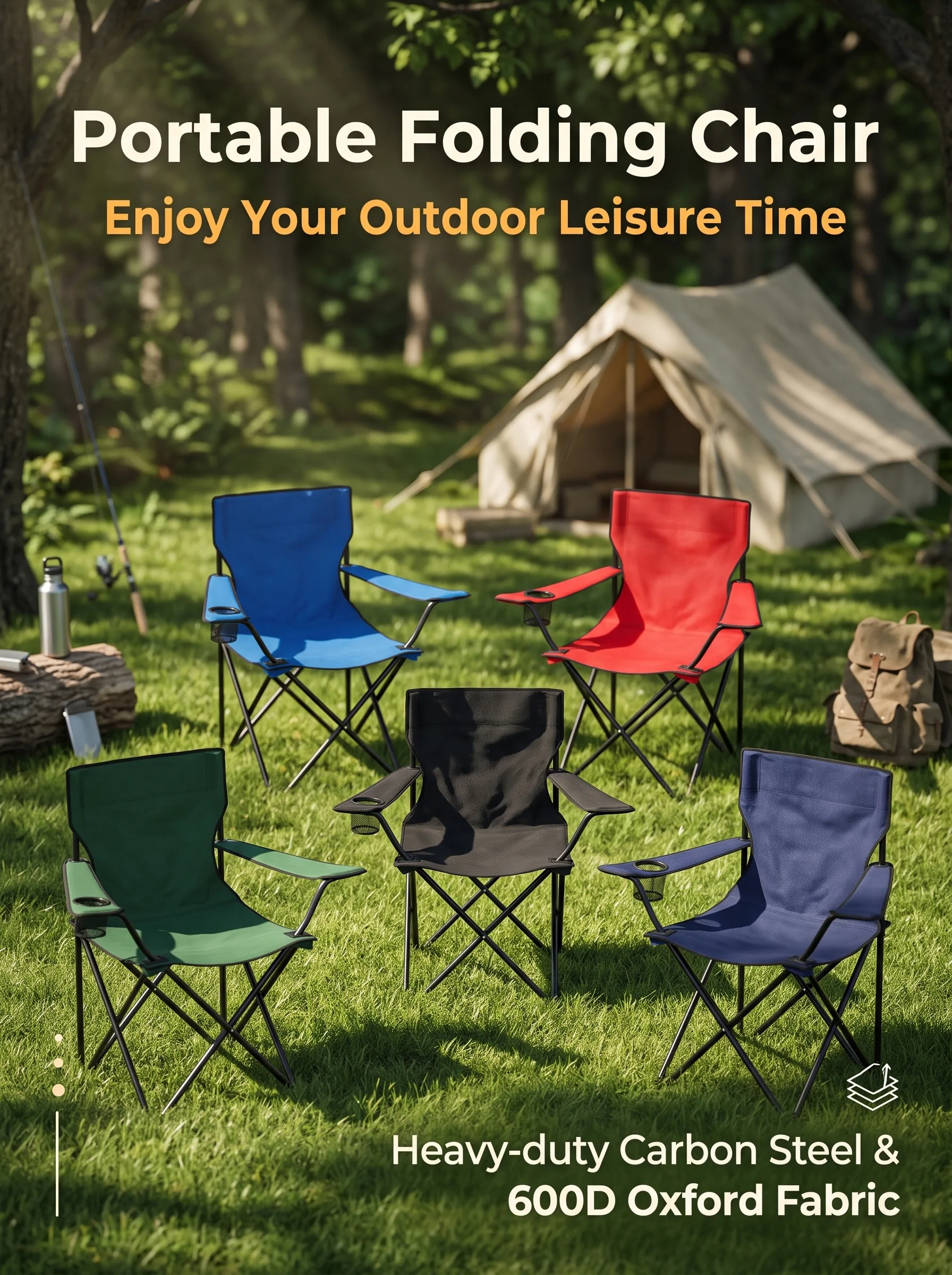
Not all patio furniture is created equal. The pieces you see at a big-box retail store look similar to those furnished at a five-star hotel terrace—but they perform very differently under daily commercial use. For hospitality buyers, property managers, and F&B operators, understanding what separates commercial-grade patio furniture from residential-grade is the difference between a five-year asset and a one-season liability.
What Defines Commercial-Grade Patio Furniture
Commercial-grade outdoor furniture is engineered and tested to withstand continuous use in demanding environments: restaurants, hotels, resorts, country clubs, cruise ship decks, and municipal spaces. The designation is not just marketing—it reflects specific material standards, structural testing, and warranty expectations that residential furniture simply does not meet.
Here are the core differentiators.
1. Frame Materials and Wall Thickness
Residential patio furniture typically uses lightweight aluminum or steel with wall thicknesses of 0.8–1.0 mm. This keeps retail prices low but compromises long-term structural integrity.
Commercial-grade frames start at 1.2 mm wall thickness and often go up to 2.0 mm for high-traffic seating. The aluminum alloy grade matters too—commercial manufacturers specify 6061-T6 or 6063-T6 aerospace-grade aluminum for its superior strength-to-weight ratio and corrosion resistance. Lower-grade 6005 or recycled alloys may save cost but sacrifice rigidity.
What to check: Ask suppliers for material certifications and wall thickness specifications. A 0.4 mm difference in wall thickness can double the frame’s load-bearing capacity.
2. Joint Construction and Welding Standards
Residential furniture often uses mechanical fasteners—screws, bolts, rivets—at stress points. These loosen over time with temperature cycling, vibration, and repeated use.
Commercial-grade patio furniture uses fully welded joints, typically TIG (tungsten inert gas) welding for aluminum. Every joint is ground smooth, inspected for porosity, and reinforced at load-bearing intersections. Premium manufacturers subject welds to destructive testing on sample batches to verify penetration depth and tensile strength.
What to check: Look for furniture where the frame is one continuous welded structure rather than bolted assemblies. Run your hand along joints—if you feel gaps or rough spots, the welding quality is substandard.
3. Finish and Coating Systems
A residential chair might receive a single coat of spray paint. Commercial-grade pieces go through a multi-stage finishing process:
- Chemical pre-treatment (chromate conversion or chrome-free alternative) for adhesion
- E-coat primer for complete coverage including internal tube surfaces
- Polyester or polyurethane powder coating at 80–120 microns film thickness
- UV-inhibitor clear coat for premium lines
Commercial finishes must pass salt spray testing (ASTM B117) for a minimum of 1,000 hours with no blistering or adhesion loss. Residential finishes rarely exceed 200–300 hours.
What to check: Request the salt spray test certificate. If a supplier cannot provide one, their coating claims are unverifiable.
4. Fabric and Cushion Performance
Residential outdoor cushions use basic polyester or acrylic fabrics rated for UV resistance. Commercial environments demand more.
Commercial-grade outdoor fabrics—such as solution-dyed acrylic (Sunbrella-class) or PVC-coated polyester mesh—must meet:
- UV resistance: Minimum 1,500 hours on accelerated weathering tests (ASTM G154) without significant fading
- Water resistance: Hydrostatic head rating of 1,000+ mm for cushion covers
- Fire retardancy: NFPA 260 Class I or CAL TB 117-2013 compliance for hospitality use
- Cleanability: Withstand industrial cleaning agents and frequent wiping without degradation
- Antimicrobial treatment: Mold and mildew resistance for humid climates
What to check: Verify fabric compliance certificates for the specific batch. Solution-dyed fibers maintain color throughout the fiber cross-section, whereas surface-dyed fabrics fade significantly faster.
5. Foam and Fill Materials
Residential cushions typically use standard polyurethane foam that compresses and deteriorates within 1–2 seasons of outdoor use.
Commercial-grade cushions use reticulated foam (open-cell structure that drains water instantly) or quick-dry foam with antimicrobial treatment. High-end projects specify foam densities of 1.8–2.5 lbs/cubic foot for seat cushions that maintain shape under constant use.
What to check: Squeeze the cushion—it should rebound fully within seconds. If it stays compressed, the foam density is too low for commercial duty.
6. Stacking, Stability, and Safety Testing
Commercial furniture must be stackable (typically 4–8 high for chairs) without damaging the finish or deforming the frame. It must also pass forward/backward tilt tests (ANSI/BIFMA X5.5 for outdoor seating) to prevent tipping under real-world use conditions.
Residential manufacturers rarely invest in BIFMA testing. Commercial manufacturers test every new design to destruction and maintain test reports available for specification reviews.
What to check: Ask for BIFMA or EN 581 test reports. Stack a sample chair 6 high and check for finish damage at contact points after 24 hours.
7. Warranty and Lifecycle Cost
Residential patio furniture typically carries a 90-day to 1-year warranty. Commercial-grade furniture comes with 3–5 year structural warranties and 2–3 year finish warranties—because the manufacturer has tested and validated the product for that lifespan.
When evaluating cost, compare total cost of ownership rather than unit price. A commercial chair at $120 with a 5-year lifespan costs $24/year. A residential chair at $45 replaced every season costs $45/year—and creates ongoing procurement, disposal, and guest complaint overhead.
8. Supply Chain and Specification Consistency
Commercial buyers need consistency across large orders. A batch of 200 chairs for a hotel project must match approved samples exactly in dimensions, finish color, fabric pattern, and weight. Commercial manufacturers maintain strict QC protocols: incoming material inspection, in-process checks at each production stage, and final random inspection per AQL 2.5 standards.
Residential suppliers often change materials, substitute components, or shift production between factories without notifying buyers—acceptable for consumer retail, but unacceptable for hospitality specification projects.
Summary: Commercial vs Residential at a Glance
| Feature | Residential Grade | Commercial Grade |
|---|---|---|
| Frame Wall Thickness | 0.8–1.0 mm | 1.2–2.0 mm |
| Joint Construction | Bolts/rivets | Fully TIG welded |
| Coating System | Single spray paint | E-coat + powder coat (1000+ hr salt spray) |
| Fabric Rating | Basic UV resistance | Solution-dyed + fire retardant + antimicrobial |
| Foam Type | Standard PU | Reticulated quick-dry |
| Testing | Rarely certified | BIFMA/EN 581 certified |
| Warranty | 90 days – 1 year | 3–5 years structural |
| True Annual Cost | Higher | Lower |
Final Advice for Commercial Buyers
When sourcing commercial-grade patio furniture from China, do not accept “commercial quality” as a verbal claim. Request material certificates, coating test reports, fabric compliance documentation, and third-party testing results. Visit the factory if possible—or hire a local inspection service to verify production standards before your first container ships.
The furniture that looks identical in a showroom photo will perform very differently after 1,000 guests sit on it. Specify the standard, verify the evidence, and protect your investment with documented quality assurance.
