A rooftop bar with a 3,200-square-foot deck shouldn’t be furnished with off-the-shelf pieces that leave awkward 15-centimeter gaps along the walls. A pool deck at a 200-room resort shouldn’t force guests to choose between a sun lounger and a conversation area. Yet that’s the compromise hospitality operators make every day when they buy standard-size outdoor furniture.
The solution is custom-sized and modular outdoor furniture — pieces engineered to fit your exact footprint, not the other way around. As a Shengfang outdoor furniture manufacturer with experience supplying resorts, hotels, and hospitality venues across the Middle East and Southeast Asia, we’ve helped dozens of buyers solve the spatial puzzles that standard catalogs can’t address.
1. Why Rooftop Bars Demand Non-Standard Dimensions
Rooftop bars are among the most challenging outdoor furniture environments in hospitality. Here’s why:
Irregular floor plans. Rooftop decks are rarely rectangular. They wrap around elevator shafts, angle around parapet walls, and narrow where structural beams run. Standard 200cm sofas and 70×70cm side tables leave dead zones that generate zero revenue.
Weight constraints. Most rooftop structures have a live-load limit of 300–500 kg/m². Every piece of furniture must be lightweight without sacrificing wind resistance. Powder-coated aluminum frames deliver the best strength-to-weight ratio — a fully upholstered aluminum-frame sofa weighs 35–45kg compared to 60–80kg in steel.
Wind exposure. At 30 meters above ground level, rooftop bars face sustained wind loads that can tip lightweight chairs or slide sofas across the deck. Custom furniture can be designed with integrated anchor points or through-bolt mounting holes that secure pieces to the deck surface without visible hardware.
Modular reconfiguration. Seasons change, events rotate, and guest preferences evolve. Modular sectional sofas with removable corner units and ottoman inserts allow a single furniture set to shift from an intimate lounge configuration (4–6 seats) to a high-capacity event layout (12–16 seats) in under 10 minutes.
2. Pool Deck Furniture: Beyond the Standard Sun Lounger
Pool decks at resort properties serve multiple functions simultaneously — sunbathing, dining, socializing, and event hosting. Standard sun loungers alone can’t address all four.
The most effective pool deck layouts combine:
- Adjustable recliners for dedicated sunbathing zones (like our C-009 padded recliner and C-008 extended recliner)
- Low-profile modular sofas for shaded conversation areas
- Height-adjustable side tables that bridge between dining and lounging modes
- Custom-length daybeds sized to fit along perimeter walls or between pool lanes
For a recent Southeast Asian resort project, we manufactured 48 custom 180cm daybeds (standard is 200cm) to fit the exact gap between the infinity pool and the cabana line. The result: 12 additional seating positions without expanding the deck footprint.
When specifying pool deck furniture, insist on materials rated for constant moisture exposure. Aluminum frames with marine-grade powder coating, quick-dry open-cell foam, and solution-dyed acrylic fabrics rated at 500+ hours UV resistance form the baseline. Anything less will show visible fading and foam breakdown within a single season.
3. The Modular Sofa System: Flexibility for Seasonal Hospitality
Modular outdoor sofas have evolved well beyond the simple “left corner + right corner + armless” configurations of five years ago. Today’s systems offer:
Per-module dimension customization. Each seat module can be ordered in 5cm increments — from 50cm to 120cm wide — so the total sofa length matches your space exactly. No more gaps. No more compromises.
Mix-and-match depth. Standard outdoor sofas are 80–90cm deep. But for a rooftop bar’s high-traffic conversation area, a 70cm-deep sofa maximizes circulation space while still seating three adults comfortably. For a resort pool cabana, a 100cm-deep sofa with extra-deep seating creates the lounging experience guests expect.
Integrated functionality. Modern modular systems can incorporate built-in planter boxes, LED lighting channels, USB charging ports, and concealed storage — all within the sofa frame. For rooftop venues, integrated planter modules double as wind barriers and privacy screens.
Quick-connect hardware. The best modular systems use stainless steel cam-lock connectors that allow staff to reconfigure layouts in minutes without tools. This is essential for venues that transition between daytime pool service and evening event setups.
4. Material Selection for Extreme Outdoor Environments
The material choices for rooftop and poolside furniture differ significantly from standard patio setups:
| Component | Standard Grade | Commercial Grade | Premium (Resort) |
|---|---|---|---|
| Frame | Painted steel | Powder-coated aluminum | Marine-grade aluminum + teak accents |
| Fabric | Polyester (200h UV) | Solution-dyed acrylic (500h UV) | Marine-grade acrylic (1000h+ UV) |
| Foam | Closed-cell (firm) | Open-cell quick-dry | High-resilience quick-dry foam |
| Cushion cover | Zippered | Drain-hole base | Drain-hole + removable washable cover |
| Connector | Plastic clips | Powder-coated steel | 316 stainless steel cam-lock |
For properties in coastal locations, salt spray resistance becomes the critical factor. Marine-grade 316 stainless steel hardware and anodized or marine-powder-coated aluminum frames are non-negotiable. Standard powder-coated steel frames will show rust within 12–18 months in salt-air environments, regardless of price point.
5. Sourcing Custom Outdoor Furniture: What B2B Buyers Need to Know
Ordering custom-sized outdoor furniture involves a different process than buying from a standard catalog. Here’s what to expect:
Lead time. Custom-dimension pieces typically require 45–60 days from order confirmation to container loading, compared to 25–30 days for standard SKUs. Plan accordingly — especially if your project timeline is tied to a resort opening or seasonal launch.
Minimum order quantities. Most factories set MOQ at 50–100 pieces per custom dimension. However, if you’re ordering a full resort fit-out (50+ sun loungers, 20+ sofas, 30+ tables), custom dimensions across multiple product lines become economically viable.
Prototype approval. Always request a pre-production sample of each custom piece before the full run. Check frame welds, cushion density, fabric tension, and connector mechanism. A 7-day sample delay saves you from a 1,000-piece mistake.
Shipping optimization. Custom dimensions can be designed to optimize container loading. For example, a sofa module sized at 75×75×35cm packs 40% more efficiently per CBM than a non-stackable 200cm sofa — directly reducing per-unit freight costs on 40HQ shipments.
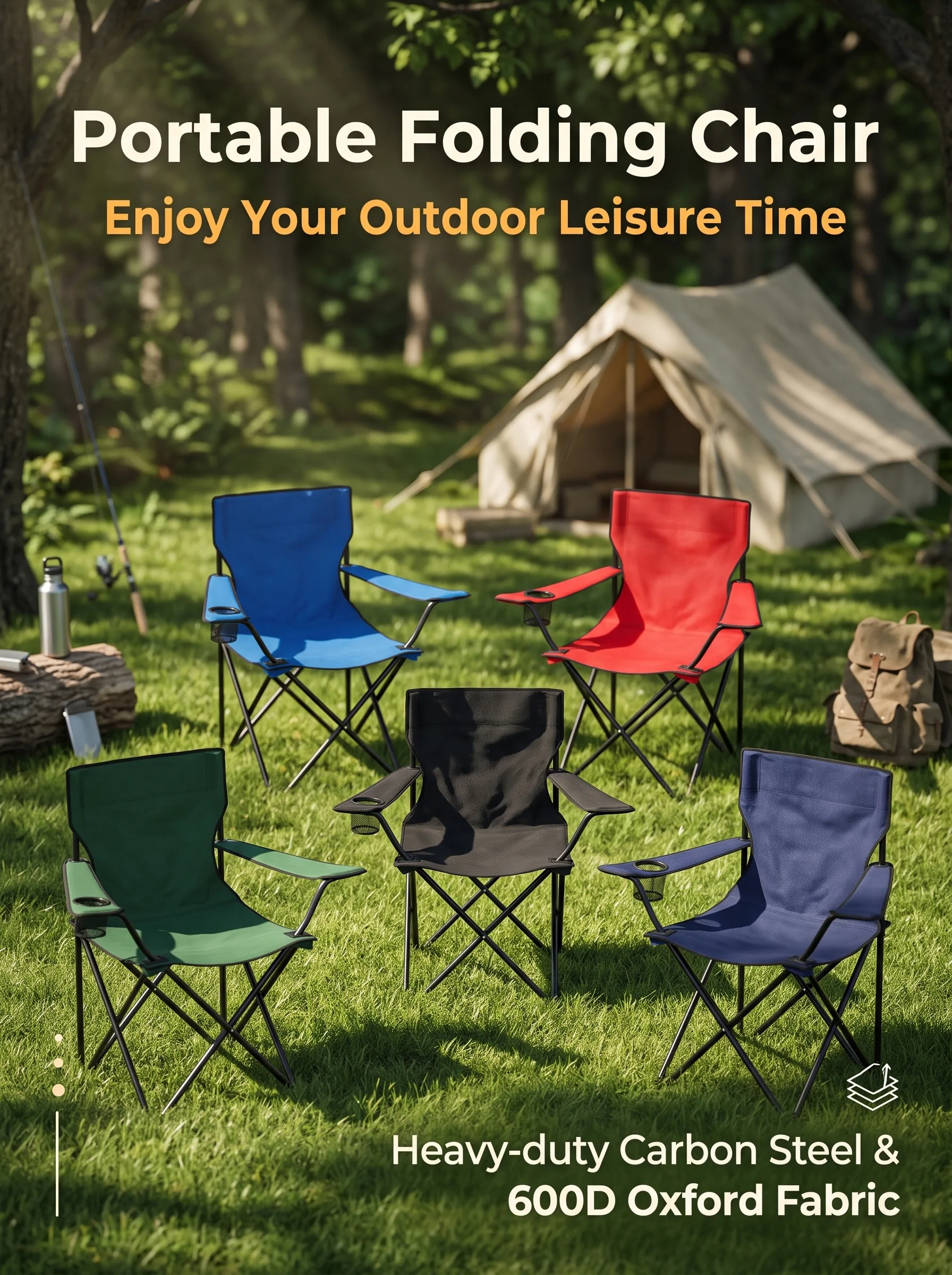
Our camping and outdoor furniture line includes both standard and configurable options, and our table range covers portable to commercial-grade formats for versatile hospitality applications.
Conclusion: Design From the Space Out, Not the Catalog In
The operators who get the most from their outdoor furniture investment start with the floor plan — not the product catalog. They measure every wall, column, and access point. They map guest flow patterns. They identify the zones where custom dimensions unlock 15–25% more seating capacity.
Then they brief their furniture supplier with exact dimensions, material specifications, and performance requirements. The result is an outdoor space where every centimeter generates revenue, every piece performs to commercial standards, and every guest notices the difference — even if they can’t articulate why.
If you’re planning a rooftop bar, resort pool deck, or hospitality outdoor space and need furniture sized to your exact specifications, our team can help you move from floor plan to production-ready drawings. Contact GRIT today to start your custom outdoor furniture project.
