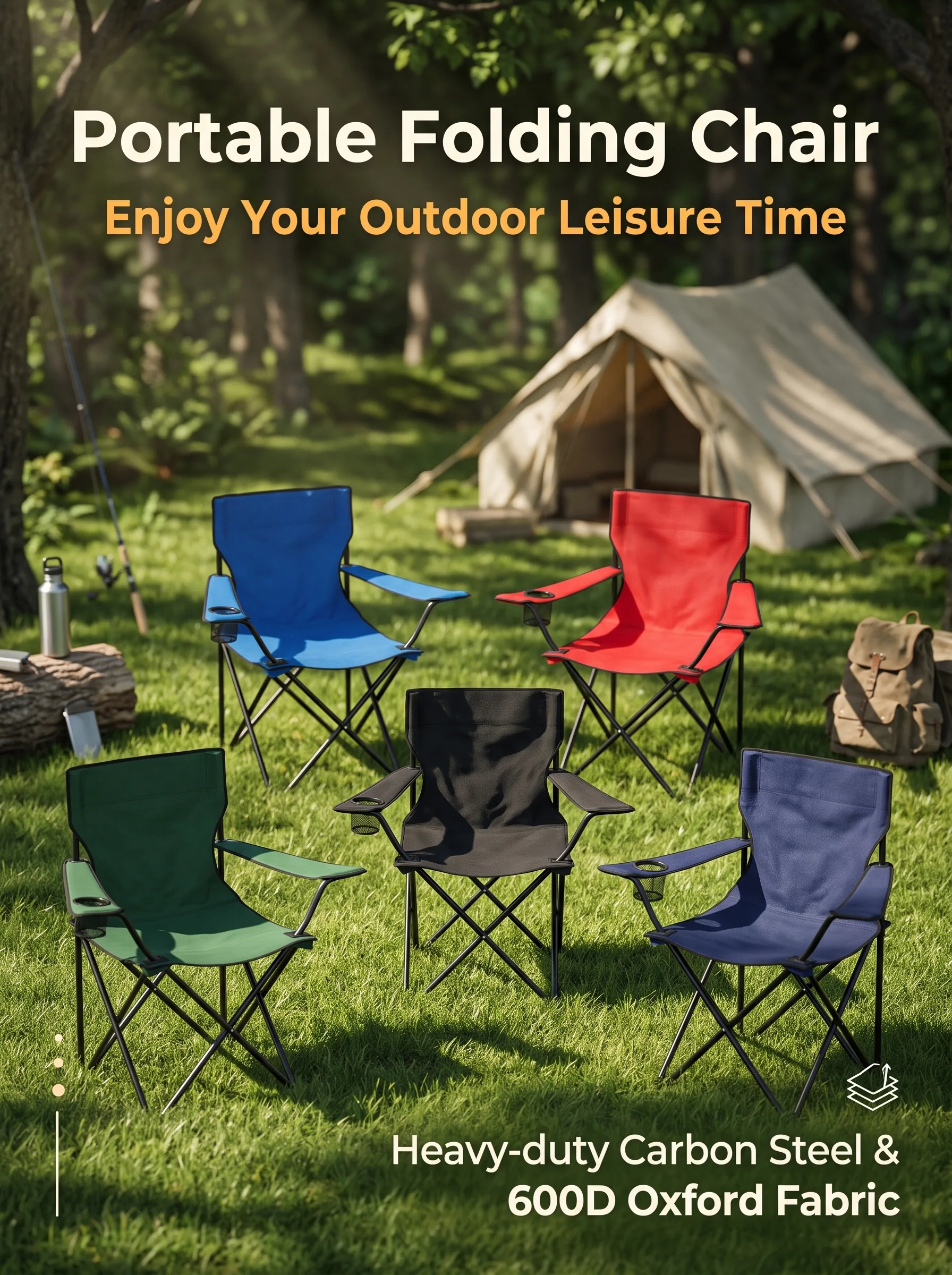
Ask ten outdoor furniture suppliers for their warranty and you get ten documents that look generous on page one and exclude almost everything on page two. For commercial buyers, that gap between marketing and enforceability is where real money sits: a resort replacing twenty corroded frames, a rental fleet with failed folding mechanisms, a campsite whose glides vanished after one season.
This guide explains what an outdoor furniture warranty actually covers, which exclusions quietly void it, and the clauses a commercial buyer should insist on before signing — for patio programs and camping or rental fleets.
Why Residential Warranties Are Not a Commercial Warranty
Most consumer outdoor furniture carries a warranty assuming about 90 days of seasonal residential use per year. Commercial terraces see 250–365 days, twice the cleaning cycles, and daily reconfiguration. The line buyers miss first is the commercial-use exclusion: coverage void the moment the product is used in a business, rented out, or placed in a hotel or restaurant. If your PO does not say “commercial use covered”, you have bought a residential warranty on a commercial asset.
What a Standard Outdoor Furniture Warranty Covers
| Component | Typical residential warranty | Realistic commercial benchmark |
|---|---|---|
| Structural frame (aluminium/steel) | 5–10 years | 5 years, welds and joints included |
| Powder-coated finish | 1–3 years, often excluded | 2–3 years, excluding salt and chlorine exposure |
| Cushions and foam | 1–2 years | 1–2 years; fabric warranty passed through from mill |
| Slings and rope | 1–2 years | 1–2 years, UV fading excluded |
| Glides, feet, connectors, hardware | Excluded | Excluded — treat as consumables and stock spares |
| Folding or reclining mechanisms | 1 year | 1–2 years, commercial duty specified |
Notice the pattern: the parts that fail first in commercial service — finish, glides, connectors, mechanisms — carry the shortest or no coverage. Frame warranties are long because frames rarely fail.
The Exclusion List That Decides Your Real Cost
Read page two before page one. These clauses appear in most outdoor warranties, and each removes a failure mode you will actually hit:
- Coastal and salt-air exclusion. Common within 1–5 km of the ocean. If your property is on a coast, this exclusion can void the finish clause entirely — negotiate a coastal-rated spec or accept the exposure in writing.
- Chlorine and chemical exclusion. Pool decks are the highest-corrosion environment on any property. Products placed near pools are frequently outside coverage.
- Normal fading and weathering. Colour change from UV is classed as “normal” and excluded, which is why fade tolerance must be written as a number (ΔE) rather than a promise.
- Improper storage and maintenance. Vague, but used to deny claims when furniture was left out through winter. Keep a maintenance log — the cheapest claim insurance you have.
- Freight damage. Almost never the manufacturer’s liability. Concealed damage needs to be photographed and claimed within the carrier’s window, typically 3–7 days from delivery.
- Unauthorized repair. One welded patch by a local shop can void a frame warranty. Get written approval before anyone touches the product.
Six Clauses to Demand in the Purchase Order
1. Commercial use expressly covered. The warranty document itself must state hotel, restaurant, resort, and rental use. A residential warranty with a commercial promise in an email is not enforceable at claim time.
2. Component-level replacement, not whole-unit. A failed cushion should ship a cushion. Specify that remedies are per component and that replacement parts match the original specification, colour, and dimensions.
3. Spare parts availability for 5–7 years. The most valuable clause for a fleet buyer: frames last, glides, connectors and cushion inserts do not. Get it in writing with a stated spares lead time.
4. Prorated versus full replacement. A five-year prorated warranty can pay 20% of value in year four. Ask for full replacement in the first 24 months, prorated thereafter, with the formula written out.
5. A defined claim process. Photos, batch or lot code, purchase date, and a response deadline — 30 days to a coverage decision is a reasonable ask. Undefined processes are how claims die in email threads.
6. Who pays freight. Parts are cheap; shipping them internationally is not. Specify warranty freight as the supplier’s cost for the first 24 months.
Camping and Rental Fleets: A Different Duty Cycle
Rental and campsite furniture lives harder than any hotel terrace: folded, stacked, thrown into vehicles, and exposed to condensation inside tents and trailers. Three specifications matter more than warranty length:
- Mechanism rating. Folding joints should be cycle-tested and the test count stated — 10,000 open/close cycles is a defensible commercial figure for rental equipment.
- Consumable spares on the first order. Buy glides, caps, and connector sets at 5–10% of unit count with the initial PO. Waiting for a failure to order spares costs a season.
- Frame material matched to the duty. Aluminium resists corrosion at scratched joints and halves the weight staff carry daily; steel is justified in wind-exposed pieces that stay put. The full trade-off is in our aluminium versus steel comparison.
Cushions and slings are the second claim category after finish. Quick-dry reticulated foam survives rain cycles that turn standard foam into a mildew reservoir — see our cushion foam guide for the numbers to specify.
Budgeting for Warranty, Honestly
Warranty is a cost inside the price, not a gift on top. Serious manufacturers reserve roughly 1.5–3% of order value for claims, so a quote 15% below market with a ten-year warranty is either pricing claims it will deny or will not be there in year three. Judge supplier longevity and spare-part track record as carefully as the warranty text, and for timber and WPC components check our WPC versus natural wood guide — material choice decides more claims than paperwork does.
The Bottom Line
A commercial outdoor furniture warranty is worth exactly what its exclusions allow. Confirm commercial use in writing, split coverage by component, lock in spare parts for five to seven years, define the claim process and freight liability, and match frame and cushion spec to the environment. Do that, and the warranty becomes a budget line you can plan around instead of a document you read for the first time after something fails.
GRIT supplies commercial patio and camping furniture with written commercial-use warranties, component-level replacement, and five-year spare parts availability. Contact us for the warranty terms and spare-part schedule on any program.
